
Idaho Weather & Climate: What to Expect Year-Round (2026)
Reviewed by Garrett Pancheri and Dustin Cagle
Team Leaders, Living In Idaho | LPT Realty | View Profile
One of the first things newcomers ask about Idaho is the weather — and the honest answer is that there isn't just one. A July afternoon in Boise and a January morning in McCall belong to different worlds, and where you land shapes everything from your heating bill to your winter tires. Backed by National Weather Service data, this guide breaks down Idaho's climate season by season and region so you know what to expect before you unpack.
Interested in moving to Idaho? Homes for sale in Idaho | Idaho communities | Affordability Calculator
Quick Answer: What Is the Weather Like in Idaho?
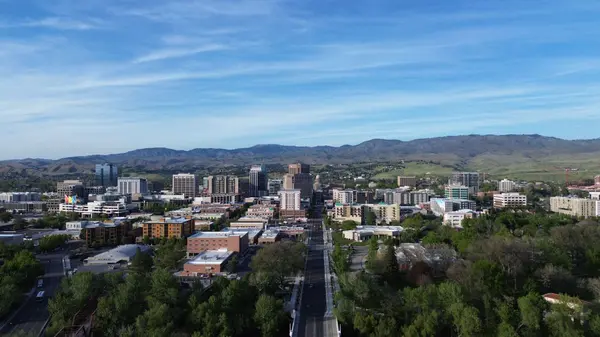
Idaho has a four-season climate that varies sharply by region: the Treasure Valley (Boise) has hot, dry summers and cold winters with valley fog and light snow, while the mountains and North Idaho get far more snow and longer winters. Summers are warm and dry statewide, and the Treasure Valley is semi-arid — sunny, low-humidity, and milder in winter than you might expect.
Key Takeaways
- Idaho has four real seasons, with warm-dry summers statewide and highly variable winters.
- The Treasure Valley is semi-arid — sunny and low-humidity, with milder winters than you might expect.
- Winter inversion fog is the big Treasure Valley surprise for newcomers.
- Mountains and North Idaho get far more snow and longer winters than Boise.
- Late-summer wildfire smoke can affect air quality some years — worth planning around.
Table of Contents
- Quick Answer
- Key Takeaways
- Idaho Weather in Brief
- Spring (March–May)
- Summer (June–August)
- Fall (September–November)
- Winter (December–February)
- How Climate Differs by Region
- Seasonal Snapshot Table
- Idaho Seasonal Weather by Region
- How to Prepare for Each Idaho Season
- Frequently Asked Questions
- Conclusion
Idaho Weather in Brief
Idaho sits in a high-desert-to-mountain range of climates. The Treasure Valley is semi-arid — low humidity, plenty of sunshine, and modest precipitation — while elevation drives big differences: the mountains and northern Panhandle are cooler and much snowier. According to NWS Boise and NOAA climate normals, Boise averages 11.58 inches of annual precipitation, about 17.6 inches of snow, and over 200 sunny days a year (roughly 3,000 hours of sunshine).
Local insight: the single most underestimated feature of Treasure Valley weather is winter inversion fog. Cold air settles in the valley and can trap gray, freezing fog for days at a time — a real contrast to the sunny-Idaho image many newcomers arrive with. From talking with relocating buyers, valley inversion fog is the single most common winter surprise — it's worth experiencing a January visit before committing.
Spring (March–May)
Mild and green. The Treasure Valley warms gradually, the foothills turn briefly lush, and rivers rise with mountain snowmelt. Expect variable weather — sunny days mixed with rain showers — and cool nights. A pleasant, active season before summer heat.
Summer (June–August)
Warm to hot and dry. The Treasure Valley regularly reaches high temperatures with low humidity and abundant sunshine — well suited to river floats, hiking, and long evenings. Two things to plan for:
- Heat: dry heat is more comfortable than humid heat, but still real. The average July high in the Treasure Valley runs about 92–93°F, with triple-digit days most summers and afternoon humidity often below 25%.
- Wildfire smoke: depending on the year and regional fires, late summer can bring hazy, smoky stretches that affect air quality.
Fall (September–November)
A local favorite. Crisp air, golden foothills, and comfortable temperatures. Harvest season across the valley's farms and vineyards, football at Boise State, and some of the year's most pleasant weather before winter sets in. Nights cool quickly.
Winter (December–February)
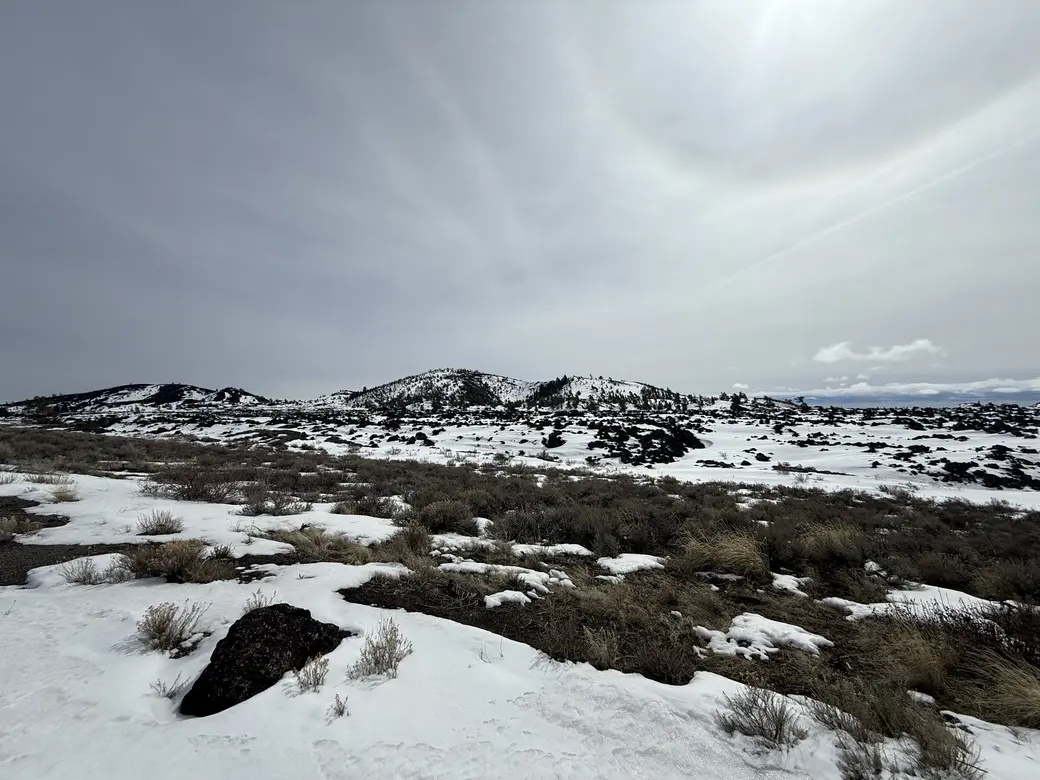
Winter is where Idaho’s climate splits most sharply by region. The state runs mild with relatively little snow across the southern valleys, while the northern, eastern, and central mountain areas see heavy, lingering snowfall. In practice that means very different winters depending on where you land:
- Treasure Valley: cold but relatively mild for the Mountain West, with light-to-moderate snow that often melts between storms — plus the notable inversion fog that can settle for days.
- Mountains (McCall, Sun Valley): heavy snow, prime skiing, sustained cold.
- North Idaho (Coeur d'Alene, Sandpoint): snowier and grayer than the Treasure Valley, with longer winters.
Boise’s January low averages about 24–25°F, with roughly 18–21 inches of snow a year that usually melts within days on the valley floor.
How Climate Differs by Region
The same date can look very different across Idaho. A January day might be foggy and 32°F in Boise, sunny and deep-snow at Sun Valley, and gray with lake-effect snow in Sandpoint. Elevation and latitude are the drivers — so "Idaho weather" always depends on which Idaho.
A few local patterns worth knowing if you're comparing places:
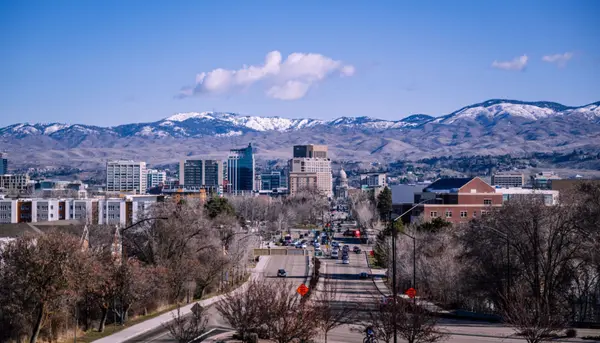
- Boise (Treasure Valley): The mildest of the major areas. Boise's yearly weather runs hot, dry summers and cool winters with more valley fog than heavy snow — the reason many newcomers start their search here.
- Idaho Falls (eastern Idaho): Higher and colder in winter than Boise, with a shorter growing season. If you're checking an Idaho Falls forecast before a visit, expect sharper seasonal swings and more consistent snow cover.
- Idaho City and the mountains: Just up the hill from Boise, Idaho City's weather turns wintry far earlier and holds snow much longer — a quick illustration of how fast climate changes with elevation in Idaho.
- North Idaho (Coeur d'Alene, Sandpoint): Wetter and grayer in winter, with the state's heaviest lowland snowfall.
Because conditions shift so much by town and elevation, it's worth checking a current local forecast from the National Weather Service for the specific area you're considering, rather than assuming one "Idaho" number fits all.
Seasonal Snapshot Table
| Season | Treasure Valley | Mountains | North Idaho |
|---|---|---|---|
| Spring | Mild, green, variable | Snowmelt, cool | Wet, cool |
| Summer | Hot, dry, sunny | Warm days, cool nights | Warm, milder |
| Fall | Crisp, golden, dry | Early cold, color | Cool, colorful |
| Winter | Cold, light snow, fog | Heavy snow, skiing | Snowy, long, gray |
| Season | What to Expect | How to Prepare |
|---|---|---|
| Spring | Mild, green, variable showers | Layers and rain protection |
| Summer | Hot, dry, high UV; possible wildfire smoke | Sun protection and an air-quality plan |
| Fall | Crisp, cooling quickly | Light winter prep and yard cleanup |
| Winter | Cold with valley inversion fog | Snow-ready tires and fog-safe driving habits |
Explore Idaho Real Estate & Homes for Sale
Prefer to talk first? Call or Text (208) 586-3066
Frequently Asked Questions
What month is the coldest in Idaho?
January is the coldest month across most of Idaho. In Boise, January records the lowest temperatures of the year, with average daily lows around 24–25°F, according to National Weather Service data. Mountain and northern areas run colder still.
Is Idaho a good state to live in?
Many newcomers think so — Idaho was the fastest-growing state from 2020 to 2025, drawn by outdoor access, four real seasons, and relative affordability. Whether it fits you depends on your priorities; see our guide on whether Idaho is a good place to live.
What is the air quality like in Boise?
Boise's air quality is generally good for most of the year. The main exception is late summer, when regional wildfires can create smoky, hazy stretches that temporarily reduce air quality. Checking a service like AirNow during fire season is the best way to track current conditions.
What is Boise, Idaho's yearly weather like?
Boise's yearly weather features four distinct seasons: hot, dry summers (July highs around 92–93°F), mild springs and falls, and cool winters with more valley fog than heavy snow. The area averages about 11.58 inches of precipitation and over 200 sunny days a year.
Does it snow a lot in Idaho?
It depends on the region. The Treasure Valley gets relatively light, intermittent snow that often melts between storms, while the mountains (McCall, Sun Valley) and North Idaho (Coeur d'Alene, Sandpoint) receive heavy snowfall and longer winters. Snowfall varies sharply by region: Boise and Meridian average about 18–20 inches a year, Coeur d’Alene 42–44 inches, and mountain towns like McCall around 138 inches.
How hot does it get in Idaho in summer?
Treasure Valley summers are hot and dry, regularly reaching high temperatures with low humidity and abundant sunshine. The dry heat feels more comfortable than humid climates, though late-summer wildfire smoke can occasionally affect air quality. July highs average about 92–93°F.
What is winter like in Boise, Idaho?
Boise winters are cold but relatively mild for the Mountain West, with light-to-moderate snow that often melts between storms. The notable feature is valley inversion fog, which can trap cold, gray conditions for several days at a time.
Related reading: the best places to live in Idaho
Conclusion
Idaho delivers four genuine seasons, but "Idaho weather" always depends on which part of the state you're in. The Treasure Valley pairs sunny, dry summers with mild-but-foggy winters; the mountains and North Idaho trade that for heavy snow and longer cold. Knowing the regional pattern — and planning for inversion fog and late-summer smoke — means no weather surprises after you move.
Deciding which Idaho climate fits you? A local expert like Garrett Pancheri or Dustin Cagle can talk through how the seasons feel in specific communities as you plan your move.
Categories
Recent Posts



Leave a Reply