
The Biggest Housing Questions Before 2026, Answered with Real Data
The Biggest Housing Questions Before 2026, Answered with Real Data
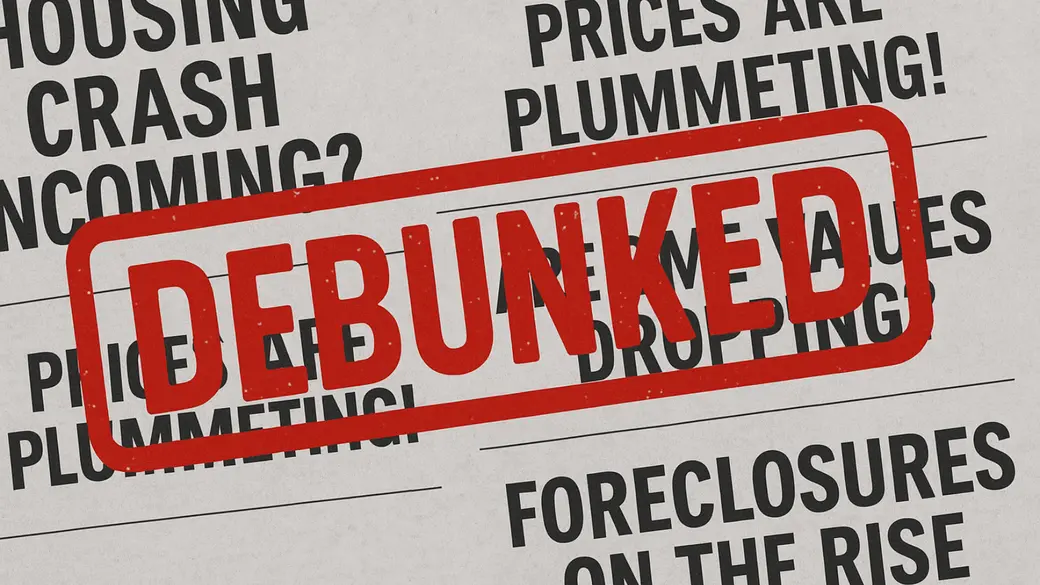
You would not believe how good it feels to take a scary housing headline and replace it with actual numbers.
Lately, conversations about the housing market update have been everywhere. At family dinners. In text threads. On social media. Questions about home values 2025, foreclosure trends, and what the mortgage rates 2026 forecast really looks like.
So instead of reacting to headlines, let’s walk through the biggest questions with real data from NAR, Zillow, ATTOM, and other national housing sources.
How’s the Market Right Now?
According to the National Association of REALTORS®, existing home sales rose 1.2% in October to a 4.10 million annual pace. Sales are also up 1.7% compared to one year ago.
The national median home price reached $415,200, up 2.1% year over year.
Inventory remains tight at 4.4 months of supply nationally. That is still below the 6-month mark that economists consider balanced, which helps explain why prices have not collapsed despite affordability pressure.
In markets like Boise, Meridian, and Nampa, local housing data may differ slightly, but the broader pattern holds: limited supply continues to support pricing even as demand fluctuates.
Are Home Values Really Dropping? Will This Hurt My Equity?
Zillow recently shared data showing that 53% of homes nationwide have dipped in value over the past year. That headline moved fast.
Here’s what the deeper data shows:
- Home values surged for six consecutive years before the recent slowdown.
- The average dip from peak value is 9.7%.
- After the 2008 crash, declines averaged 27% nationally.
- Only 4.1% of homes are worth less than their last purchase price.
- The typical homeowner has gained 67% in value since purchase.
In simple terms, most homeowners still have substantial equity. A short-term adjustment in a Zestimate does not equal a financial crisis.
For anyone planning on selling a home in Meridian or buying a home in Boise, the local numbers matter more than the national headline.
I Heard Foreclosures Are Rising. Is This Another 2008?
ATTOM reported 36,766 properties with foreclosure filings in October. That’s up 3% from September and 19% year over year.
Headlines focused on the percentage increases. Here’s what they left out:
- We are rising from an extremely low baseline.
- Foreclosure activity remains far below historical averages.
- Lenders repossessed just 3,872 properties in October.
- Many increases reflect processing delays from pandemic backlogs.
Today’s lending standards are dramatically tighter than they were before 2008. Most homeowners have strong credit profiles and meaningful equity.
Rising insurance costs, property taxes, and living expenses create real stress. But this data does not support a 2008-style collapse.
What’s With the 50-Year Mortgage Everyone Is Talking About?
The idea of a 50-year mortgage sounds simple: stretch payments longer to lower the monthly cost.
The reality:
- 50-year loans are not currently legal under federal Qualified Mortgage rules.
- The QM rule caps most mortgages at 30 years.
- Even if introduced, longer terms dramatically slow equity growth.
- Total interest paid would be significantly higher.
Right now, this is a policy discussion, not a real lending product.
What About Portable Mortgages? Can I Keep My 3% Rate?
The idea of taking your existing mortgage rate with you to a new home has obvious appeal, especially for homeowners locked into ultra-low pandemic rates.
However:
- Most existing loan contracts explicitly prohibit portability.
- FHFA has studied the concept but no changes have been implemented.
- No mainstream lender currently offers this option.
For now, moving means financing under current market rates.
What Should We Expect in 2026?
The latest projections from NAR suggest:
- Existing home sales could rise 14%.
- Home prices may rise 3% by end of 2025 and 4% in 2026.
- Mortgage rates are projected to ease toward 6%.
- Mortgage applications are up 31% year over year.
That suggests increased activity, moderate price growth, and gradually improving affordability compared to peak rate levels.
If you are planning on buying a home in Boise, selling a home in Nampa, or simply evaluating your options, staying informed with real numbers is far more productive than reacting to headlines.
Categories
Recent Posts









Leave a Reply